
In a competitive digital marketplace, smaller businesses often face the challenge of distinguishing themselves from larger, well-established competitors with substantial marketing budgets. Fortunately, Pay-Per-Click (PPC) advertising offers a powerful and cost-effective way for small businesses to level the playing field. By strategically using PPC, smaller companies can gain visibility, attract customers, and grow their business—without incurring significant expenses. Here’s how Los Angeles PPC helps smaller businesses in particular.
1. Instant Visibility
Unlike organic search engine optimization (SEO), which can take months to build results, PPC advertising delivers immediate visibility. With platforms like Google Ads or social media ads, small businesses can appear at the top of search results or in front of targeted audiences within hours. This instant exposure is invaluable for startups or new product launches that need quick attention and traction.
2. Budget Control
One of the most attractive aspects of PPC is the ability to control spending. You can set daily or monthly budgets and only pay when someone clicks your ad. This makes PPC an ideal choice for smaller businesses with limited marketing budgets. Instead of spending money hoping people see your ad, you’re only charged when users take action—making it a more measurable and manageable investment.
3. Highly Targeted Advertising
PPC allows businesses to target particular audiences based on keywords, location, demographics, device type, interests, and even online behaviors. This level of precision ensures that small businesses can reach the right people at the right time—whether it’s local customers searching for nearby services or niche buyers looking for specialized products. It eliminates waste and maximizes impact.
4. Competing with Bigger Brands
While bigger brands may dominate organic search, PPC provides small businesses with a fair chance at securing top spots. If your ad quality and relevance are strong, you can outrank even major competitors in paid results. With smart keyword bidding and ad optimization, small businesses can compete effectively in the same space, gaining valuable exposure and traffic.
5. Measurable Results and Flexibility
PPC campaigns come with detailed performance data, including clicks, impressions, conversions, cost-per-click, and more. This transparency enables small businesses to see what’s working and what’s not in real time. You can pause, adjust, or scale campaigns based on performance, which makes PPC highly flexible and results-driven. For smaller teams managing marketing in-house, this level of control is essential.
6. Supports Local Business Growth
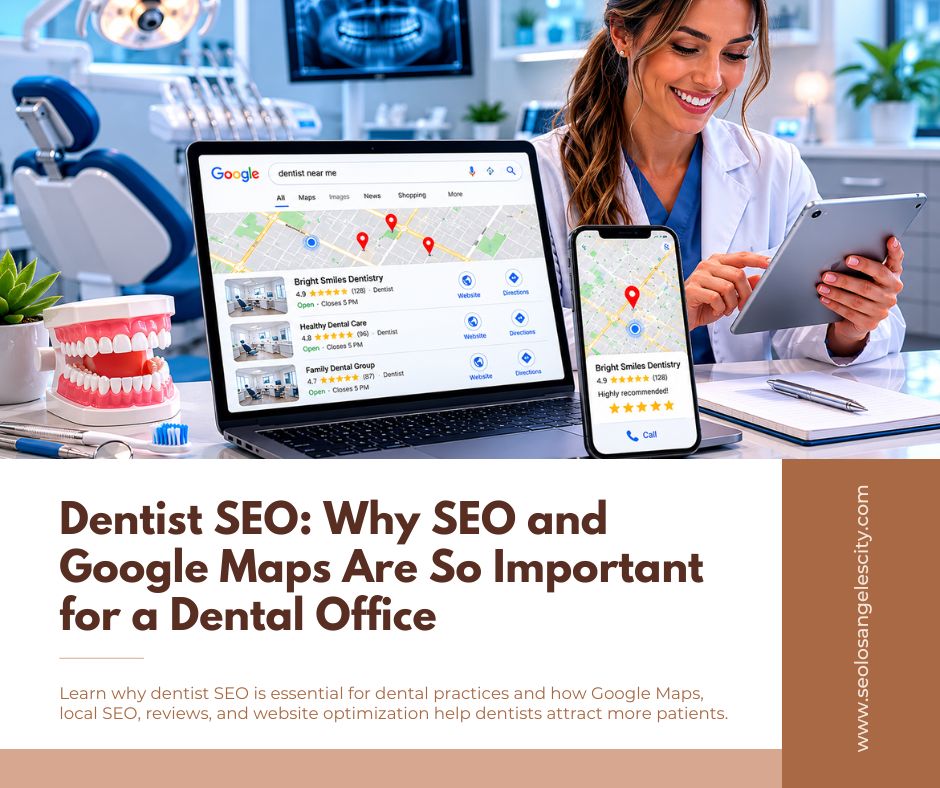
For brick-and-mortar shops or service-based businesses, PPC is especially helpful in driving local traffic. Localized campaigns can target nearby customers using geo-targeting and location-specific keywords (e.g., “coffee shop near me”). Google Ads even allows businesses to show location extensions and map directions, helping drive foot traffic directly from the search engine to your door.
7. Builds Brand Awareness
Even if users don’t click on your ads immediately, PPC still helps build brand recognition. Being consistently at the top of search results or on social media increases your visibility and familiarity. Over time, this visibility can lead to increased trust, more traffic, and, ultimately, higher conversions. For smaller businesses seeking to establish a strong presence, this type of brand awareness is crucial.
Conclusion
PPC advertising is a powerful tool that gives smaller businesses a competitive edge in a crowded digital landscape. With targeted reach, budget control, measurable results, and instant visibility, PPC helps level the playing field and drive real growth. When used strategically, even a modest PPC campaign can deliver significant returns for small businesses.